Pinterest has become a go-to platform for architects, designers, and people who want to decorate or renovate their spaces. It’s getting more and more popular every day. It’s a great source of inspiration for both professionals and non-professionals—but the big question is: does it really help, or is it making our designs less original? Such a tricky situation! 🙂
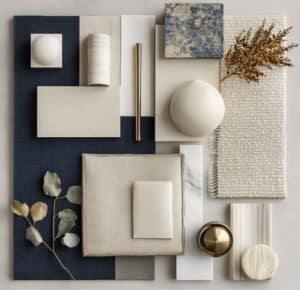
There’s no denying that Pinterest is amazing when you’re looking for ideas. People who want to decorate their homes or offices can browse different color schemes and styles, and that gives them a clearer picture of what they want. When clients share the images they’ve saved, it helps architects and designers get a quicker start and understand the direction the client is going for. From that angle, Pinterest is definitely helpful.
But on the flip side, because Pinterest is so easy to access, a lot of people end up liking and using the same kinds of designs. As the popular ones get more visibility, we start seeing lots of similar-looking spaces. This can make it harder for designers to stay creative and come up with something truly original.
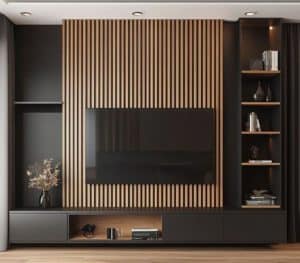
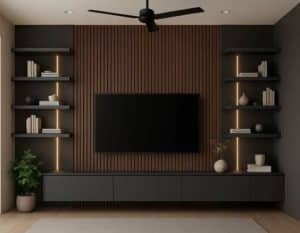
Also, not every design on Pinterest is actually practical or suitable for every space. When clients fall in love with a specific image and insist on copying it, it can create tension between them and their architects or designers 🙁 On top of that, some of these designs may not even be possible to build technically, which creates even more problems.
At the end of the day, digital platforms like Pinterest are all about catching people’s attention and keeping them engaged. If it’s used in a smart and mindful way, it can definitely offer more pros than cons.
Pinterest is a great tool at the beginning of a design process—it helps spark ideas and makes it easier to communicate with clients. But in a professional project, it should just be used as support, not as the main guide. Letting it lead the process too much can actually backfire.